
C-sections and “Unrelated” Pain Long After
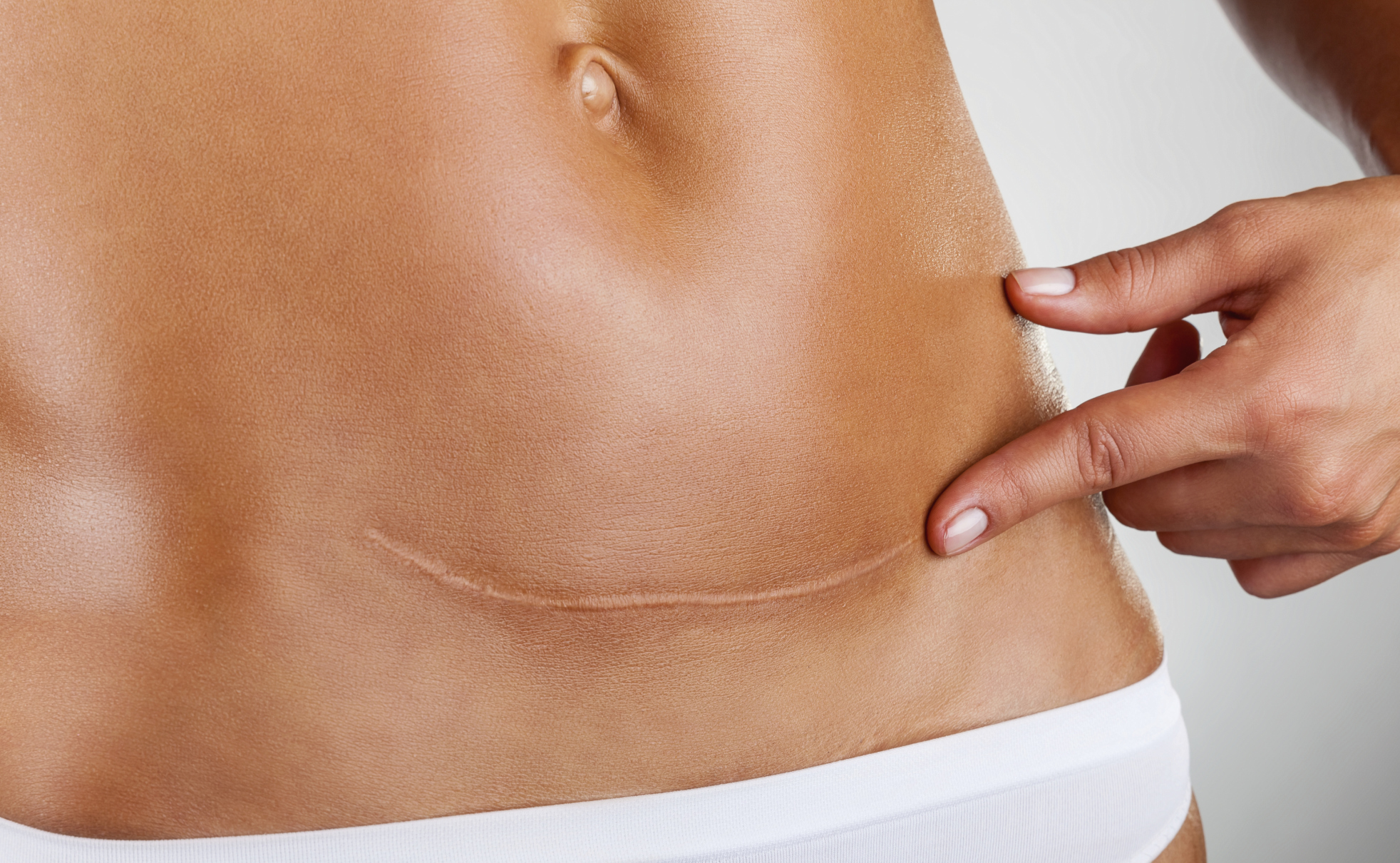
Over the past few years, many women have come to me with various types of pain—shoulder pain, abdominal pain, back pain, hip pain, knee pain, and more. One thing they all had in common was a history of C-sections, ranging from six months to ten years prior. So, I thought I’d share my experiences with patients who have had C-sections.
What is a C-Section?
C-section is short for Caesarean Section. These deliveries can be planned or unplanned. During a C-section, the doctor makes an incision through the skin, fat cells, connective tissue, and into the abdominal cavity. The abdominal muscles are then spread apart, and the bladder is moved down and out of the way to reach the uterus. An incision is made into the uterus, and the baby is guided out, followed by the removal of the placenta.
The uterus is then stitched up, the bladder repositioned, and the connective tissue, abdominals, and skin are also stitched up to varying degrees. This process results in multiple layers of sutures and, consequently, scar tissue formation.
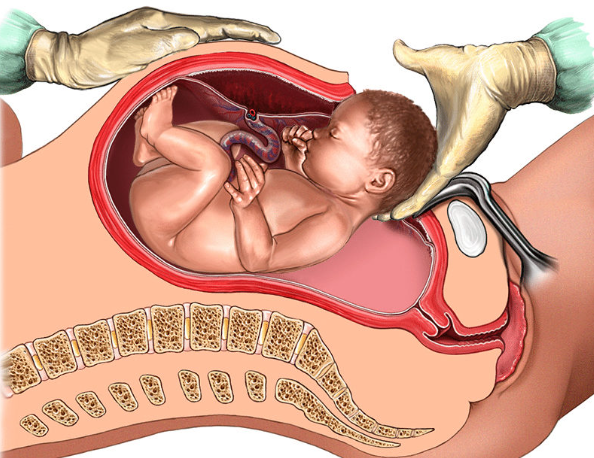
As you can see, it’s a pretty invasive procedure. It’s not as simple as cutting the baby out and stitching everything back up. It’s far more complex than that, with a relatively short recommended recovery period of six weeks. This doesn’t even account for the emotional recovery that accompanies it.
The Aftermath of a C-Section
After the procedure, you’re left with anywhere from 15-30 staples. Like with any serious injury—such as a ligament tear in the ankle or knee, or broken bones—the first instinct is to avoid stimulating the area to steer clear of pain. This might mean lifting yourself out of a seat with your arms, leading to overuse of your shoulders. Perhaps you avoid bending down or start getting out of bed differently. These compensations change the way you move, and the list is endless.
In the initial stage of recovery, this is acceptable. However, long-term, this behavior is unsustainable. While I don’t advocate for activating the core in all walks of life (as the latest research doesn’t support this), I do believe that engaging your core muscles sooner rather than later is beneficial in this case. This doesn’t mean doing 100 sit-ups every day. It could simply mean acknowledging and being aware of your abdominal area again, starting with simple breathing exercises. The longer you avoid this, the more fear is generated, but that’s another story.
Conclusion
To sum up, ladies, recover well and avoid the avoidance.
If you having pain or injury problems in places other than your back then I have you covered here too. Here are some other links for some other reports I have written below.
For personalized advice and treatment, please don’t hesitate to reach out. You can call our physio clinic in Athlone or have a look to see what availability we have on our calendar by CLICKING HERE.
Remember we offer a free 20-minute consultation for those who want to see if we can help them.