
What is Fibromyalgia?

What Do We Know About Fibromyalgia in 2024?
Is an early diagnosis of fibromyalgia accurate, or is it sometimes a way of saying, “I don’t know why you’re in pain, so here’s a label for your troubles”?
Understanding Fibromyalgia
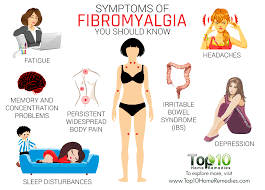
Fibromyalgia is a condition characterized by widespread pain that affects the soft tissue. The term itself breaks down into “fibro” (fibrous tissue), “my” (muscles), and “algia” (pain). Symptoms include muscle soreness, fatigue, sleep problems, and tender points, among others. Despite its prevalence, fibromyalgia remains poorly understood by the medical community.
The Diagnosis of Fibromyalgia
A diagnosis of fibromyalgia is often based on the American College of Rheumatology guidelines, which include criteria such as experiencing widespread pain throughout the body for three months or more. These assessments are primarily mechanical and structural, involving MRIs and X-rays to check for tissue damage. However, these tests are not tailored to the individual’s specific experience of pain.
Given this, one might wonder: Does having widespread pain for three months or more automatically mean one has fibromyalgia? It seems to be a broad diagnosis. Could it be that fibromyalgia is sometimes diagnosed prematurely when the cause of pain is unclear? Receiving a diagnosis like fibromyalgia can feel like a final answer, but it shouldn’t mean giving up.
New Insights into Fibromyalgia: An Autoimmune Disease?
Recent evidence suggests that fibromyalgia might actually be an autoimmune disease. This concept, known as neuro-immune crosstalk, proposes that the immune system releases inflammation systemically, which then sensitizes the nervous system. When the body starts operating in this manner, it becomes very difficult to change.
Risk Factors and Triggers
Certain risk factors can make this process more likely, including physical or emotional abuse, trauma, the death of a loved one (especially in childhood), or prolonged elevated stress. When the body is under stress for an extended period, it can trigger gene expression. When certain genes are expressed, they can make the body read these genes in a new way, prompting the immune and nervous systems to communicate in this altered manner. Once this happens, it is very hard to change.
Treatment Approaches
Unfortunately, in my experience, a holistic approach may not be the best way to treat fibromyalgia. While it can certainly help you cope better and provide more coping mechanisms and ways to stay active and healthy, resolving fibromyalgia may ultimately lie in the hands of pharmacology and future gene therapy.
Taking Control of Your Health
If you feel you might be affected by fibromyalgia, consider these questions to gain insight into your condition:
- When did things start to go downhill?
- What was going on in your life around that time?
- How have you coped mentally with the initial trauma or injury?
- Have you developed any fears?
- How has your exercise routine been affected?
- How has your self-esteem suffered?
- Has your diet changed or suffered?

Answering these questions can provide valuable information about your health and well-being. Understanding your personal journey with pain can empower you to take control and seek appropriate care.
If you would like further information on this topic or to see if we can help you then I would recommend you booking one of our free consultations. These are designed for people that are unsure if we can help them or not. You can click here to see my calendar.
Or just call the clinic on +353 86 7338963